
Follow Nicholasville Nursing and Rehabilitation on Facebook! Click Here

To see a list of frequently asked questions please Click Here

Nicholasville | Nursing & Rehabilitation

Latest News

Latest News

Flu Symptoms and Complications

December 12, 2022

Flu Symptoms

Influenza (flu) can cause mild to severe illness, and at times can lead to death. Flu symptoms usually come on suddenly. People who have flu often feel some or all of these symptoms:

  • fever* or feeling feverish/chills
  • cough
  • sore throat
  • runny or stuffy nose
  • muscle or body aches
  • headaches
  • fatigue (tiredness)
  • some people may have vomiting and diarrhea, though this is more common in children than adults.

*It’s important to note that not everyone with flu will have a fever.

More information is available at  Flu and COVID-19 symptoms.

Flu Complications

Most people who get flu will recover in a few days to less than two weeks, but some people will develop complications (such as pneumonia) as a result of flu, some of which can be life-threatening and result in death.

Sinus and ear infections are examples of moderate complications from flu, while pneumonia is a serious flu complication that can result from either flu virus infection alone or from co-infection of flu virus and bacteria. Other possible serious complications triggered by flu can include inflammation of the heart (myocarditis), brain (encephalitis) or muscle tissues (myositis, rhabdomyolysis), and multi-organ failure (for example, respiratory and kidney failure). Flu virus infection of the respiratory tract can trigger an extreme inflammatory response in the body and can lead to sepsis, the body’s life-threatening response to infection. Flu also can make chronic medical problems worse. For example, people with asthma may experience asthma attacks while they have flu, and people with chronic heart disease may experience a worsening of this condition triggered by flu.

People at Higher Risk from Flu

Anyone can get sick with flu, even healthy people, and serious problems related to flu can happen to anyone at any age, but some people are at higher risk of developing serious flu-related complications if they get sick. This includes people 65 years and older, people of any age with certain chronic medical conditions (such as asthma, diabetes, or heart disease), pregnant people and children younger than 5 years, but especially those younger than 2 years old.

Cold Vs. Flu

Signs and SymptomsColdInfluenza (Flu)
Symptom onsetGradualAbrupt
FeverRareCommon; lasts 3-4 days
AchesSlightCommon; often severe
ChillsUncommonFairly common
Fatigue, weaknessSometimesUsual
SneezingCommonSometimes
Chest discomfort, coughMild to moderate; hacking coughCommon; can be severe
Stuffy noseCommonSometimes
Sore throatCommonSometimes
HeadacheRareCommon

Emergency Warning Signs of Flu Complications

People experiencing these warning signs should obtain medical care right away.

In Children

  • Fast breathing or trouble breathing
  • Bluish lips or face
  • Ribs pulling in with each breath
  • Chest pain
  • Severe muscle pain (child refuses to walk)
  • Dehydration (no urine for 8 hours, dry mouth, no tears when crying)
  • Not alert of interacting when awake
  • Seizures
  • Fever above 104 degrees Fahrenheit that is not controlled by fever-reducing medicine
  • Worsening of chronic medical conditions

In Adults

  • Difficulty breathing or shortness of breath
  • Persistent pain or pressure in the chest or abdomen
  • Persistent dizziness, confusion, inability to arouse
  • Seizures
  • Not urinating
  • Severe muscle pain
  • Severe weakness or unsteadiness
  • Fever or cough that improve but then return or worsen
  • Worsening of chronic medical conditions

These lists are not all inclusive. Please consult your medical provider for any other symptom that is severe or concerning.

To learn more, please visit https://www.cdc.gov/flu/symptoms/symptoms.htm.

Flu and People 65 Years and Older

December 5, 2022

People 65 years and older are at higher risk of developing serious flu complications compared with young, healthy adults. This increased risk is due in part to changes in immune defenses with increasing age. While flu seasons vary in severity, during most seasons, people 65 years and older bear the greatest burden of severe flu disease. In recent years, for example, it’s estimated that between 70 percent and 85 percent of seasonal flu-related deaths have occurred in people 65 years and older, and between 50 percent and 70 percent of seasonal flu-related hospitalizations have occurred among people in this age group.

A Flu Vaccine is the Best Protection Against Flu

Flu vaccination has many benefits. It has been shown to reduce the risk of getting sick with flu and also to reduce the risk of more serious flu outcomes that can result in hospitalization or even death. Although immune responses to vaccination may lower in older people, studies have consistently found that flu vaccination has been effective in reducing the risk of medical visits and hospitalizations in older people. Higher dose and adjuvanted flu vaccines are potentially more effective than standard dose of unadjuvanted flu vaccines for people in this age group and are therefore recommended preferentially over a regular dose flu vaccine.

The best way to protect against flu and its potentially serious complications is with a flu vaccine.  Flu vaccines are updated each season because flu viruses are constantly changing. Also, immunity wanes over time. Annual vaccination helps to ensure the best possible protection against flu. A flu vaccine protects against the flu viruses that research indicates will be most common during the upcoming season. (More information about this season’s exact vaccine composition is available at Vaccine Virus Selection.) Flu vaccines for the 2022-2023 flu season have been updated from last season’s vaccine to better match circulating viruses. Immunity from vaccination fully sets in after about two weeks.

Flu vaccination is especially important for people 65 years and older because they are at higher risk of developing serious flu complications. Three specific flu vaccines are preferentially recommended for people 65 years and older over other flu vaccines. People 65 and older should get a higher dose or adjuvanted flu vaccine, including: Fluzone High-Dose QuadrivalentFlublok Quadrivalent, or Fluad Quadrivalent vaccine. These vaccines are preferred for people 65 years and older because a review of existing studies suggested that, in this age group, these vaccines are potentially more effective than standard dose unadjuvanted flu vaccines.

When should I get vaccinated?

For most people who need only one dose of flu vaccine for the season, September and October are generally good times to be vaccinated against flu. Ideally, everyone should be vaccinated by the end of October. Additional considerations concerning the timing of vaccination for certain groups of people include:

  • Most adults, especially those 65 years and older, and pregnant people in the first or second trimester should generally not get vaccinated early (in July or August) because protection may decrease over time. However, early vaccination can be considered for any person who is unable to return at a later time to be vaccinated.
  • Some children need two doses of flu vaccine. For those children it is recommended to get the first dose as soon as vaccine is available, because the second dose needs to be given at least four weeks after the first. Vaccination during July and August also can be considered for children who need only one dose.
  • Vaccination during July and August also can be considered for people who are in the third trimester of pregnancy during those months, because this can help protect their infants for the first few months after birth (when they are too young to be vaccinated).

Specific Flu Shots for People 65 and Older

For the 2022-2023 season, CDC and ACIP preferentially recommend the use of higher-dose flu vaccines (Fluzone High-Dose Quadrivalent inactivated influenza vaccine and Flublok Quadrivalent flu vaccine) or adjuvanted flu vaccine (Fluad Quadrivalent vaccine) over standard-dose unadjuvanted flu vaccines for people 65 years and older. This recommendation is based on a review of available studies which suggests that, in this age group, these vaccines are potentially more effective than standard dose unadjuvanted flu vaccines. More information is available at Flu Vaccines Worked Better than Initially Estimated this Past Season & CDC’s Advisory Council Recommends Specific Flu Vaccines for Seniors. If one of these vaccines is not available at the time of administration, people in this age group should get a standard-dose unadjuvanted inactivated flu vaccine instead. There are other flu vaccines approved for use in people 65 years and older. People 65 years and older should not get a nasal spray vaccine. More information about preferentially recommended flu vaccines is below:

Symptoms and Treatment

Because you are at higher risk of developing serious flu complications, if you get flu symptoms, call your health care provider right away. There are antiviral drugs that can treat flu illness and prevent serious flu complications. CDC recommends prompt treatment with a flu antiviral medication for people who have flu or suspected flu infection and who are at higher risk of serious flu complications.

Symptoms:
Flu symptoms include fever, cough, sore throat, runny or stuffy nose, body aches, headache, chills, and fatigue. Some people may also have vomiting and diarrhea, though this is more common in children than in adults. People may be infected with flu and have respiratory symptoms without a fever.


Treatment:

  • Influenza antiviral drugs are medicines that fight against flu by keeping flu viruses from making more viruses in your body.
  • Antiviral drugs can make your flu illness milder and make you feel better faster. They may also prevent serious health problems that can result from flu illness.
  • Treatment with an influenza antiviral drug should begin as soon as possible because these medications work best when started early (within 48 hours after symptoms start).
  • You need a prescription from a health care provider for an influenza antiviral medication.
  • There are four FDA-approved flu antiviral drugs recommended by CDC this season that can be used to treat the flu.

Other Preventive Actions

In addition to getting a flu shot, people 65 years and older should take the same everyday preventive actions CDC recommends for everyone, including avoiding people who are sick, covering coughs, and washing hands often.

To learn more, please visit https://www.cdc.gov/flu/highrisk/65over.htm.

Similarities and Differences between Flu and COVID-19

November 22, 2022

What is the difference between Influenza (Flu) and COVID-19?

Influenza (flu) and COVID-19 are both contagious respiratory illnesses, but they are caused by different viruses. COVID-19 is caused by infection with a coronavirus (SARS-CoV-2) first identified in 2019. Flu is caused by infection with a flu virus (influenza viruses).

From what we know, COVID-19 spreads more easily than flu. Efforts to maximize the proportion of people in the United States who are up to date with their COVID-19 vaccines remain critical to reducing the risk of severe COVID-19 illness and death. More information is available about COVID-19 vaccines and how well they work.

Compared with flu, COVID-19 can cause more severe illness in some people. Compared to people with flu, people infected with COVID-19 may take longer to show symptoms and may be contagious for longer periods of time.

You cannot tell the difference between flu and COVID-19 by the symptoms alone because they have some of the same signs and symptoms.  Specific testing is needed to tell what the illness is and to confirm a diagnosis. Having a medical professional administer a specific test that detects both flu and COVID-19 allows you to get diagnosed and treated for the specific virus you have more quickly. Getting treated early for COVID-19 and flu can reduce your risk of getting very sick. Testing can also reveal if someone has both flu and COVID-19 at the same time, although this is uncommon. People with flu and COVID-19 at the same time can have more severe disease than people with either flu or COVID-19 alone. Additionally, some people with COVID-19 may also be affected by post-COVID conditions (also known as long COVID).

We are learning more everyday about COVID-19 and the virus that causes it. This page compares COVID-19 and flu, given the best available information to date.

Similarities:

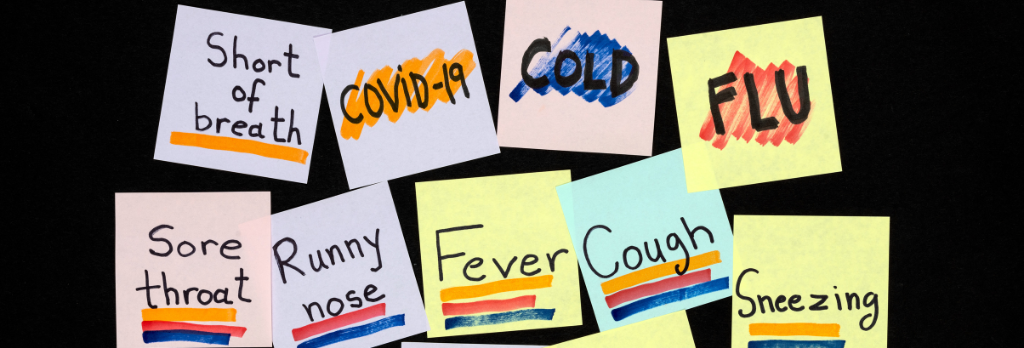
Both COVID-19 and flu can have varying degrees of symptoms, ranging from no symptoms (asymptomatic) to severe symptoms. Common symptoms that COVID-19 and flu share include:

  • Fever or feeling feverish/having chills
  • Cough
  • Shortness of breath or difficulty breathing
  • Fatigue (tiredness)
  • Sore throat
  • Runny or stuffy nose
  • Muscle pain or body aches
  • Headache
  • Vomiting
  • Diarrhea (more frequent in children with flu, but can occur in any age with COVID-19)
  • Change in or loss of taste or smell, although this is more frequent with COVID-19.

Differences:

If a person has COVID-19, they could be contagious for a longer time than if they have flu.
Flu

  • People with flu virus infection are potentially contagious for about one day before they show symptoms. However, it is believed that flu is spread mainly by people who are symptomatic with flu virus infection.
  • Older children and adults with flu appear to be most contagious during the first 3-4 days of their illness, but some people might remain contagious for slightly longer periods.
  • Infants and people with weakened immune systems can be contagious for even longer.

COVID-19

  • On average, people can begin spreading the virus that causes COVID-19 2-3 days before their symptoms begin, but infectiousness peaks one day before their symptoms begin.
  • People can also spread the virus that causes COVID-19 without experiencing any symptoms.
  • On average, people are considered contagious for about eight days after their symptoms began.

To learn more, please visit https://www.cdc.gov/flu/symptoms/flu-vs-covid19.htm.

CDC Reports Early Increases in Seasonal Flu Activity

November 14, 2022

CDC’s first full FluView report of the 2022-2023 flu season shows that while flu activity is relatively low overall, there are early increases happening in most of the country. Flu activity is highest and increasing the most in the southeast and south-central parts of the United States. This increased activity could signal an early start to flu season. CDC recommends that everyone 6 months and older get vaccinated each year, ideally by the end of October, but vaccination should continue as long as flu viruses may circulate. For people who live in a community where flu activity has already begun, there’s still time to be vaccinated. Most of the time flu activity peaks between December and February, although significant activity can last as late as May.

This week’s FluView report shows that the percentage of respiratory specimens testing positive for flu nationally has reach 3.3%. The percent positive ranges from about 10% in HHS Region 4 (the southeast of the country) to 0.2% in the northwestern part of the country. In Region 6 (the south-central part of the country) 5% of specimens tested positive for flu, followed by Region 9 (the south-west of the country and Hawaii and Guam) at 4%.

The report also shows data from the U.S. Outpatient Influenza-like Illness Surveillance Network (ILINet) which tracks the percentage of people visiting outpatient health care providers or emergency departments for respiratory illness. Respiratory illness, also referred to as influenza-like illness (ILI), is defined as fever or couth or sore throat. ILI is already slightly above the national baseline of 2.5%. National and regional baselines indicate a statistically significant increase above the average percent of patient visits for ILI during weeks of low flu activity in previous seasons. This is a high level of ILI for this time of year and the first time that ILI has been above baseline at this time of year since the 2009 H1N1 flu pandemic.

It’s important to note that ILINet monitors symptoms of respiratory disease, not laboratory-confirmed flu, and will therefore capture respiratory illness visits due to infection with pathogens that can present with similar symptoms, including flu, the virus that causes COVID-19, and RSV. Other respiratory viruses are circulating at elevated levels in the United States at this time; therefore, it is important to evaluate data from ILINet and other symptom-based data in the context of other sources of surveillance data to obtain a complete and accurate picture of flu and other respiratory virus activity.

While the timing and severity of the upcoming flu season cannot be predicted, the United States has experienced little flu for the past two seasons. Reduced population immunity, particularly among young children who may never have had flu exposure or been vaccinated, could bring about a robust return of flu. CDC is particularly concerned about drops in flu vaccine coverage in the past two years among higher risk groups, including children and pregnant people. ILI visits at this time are highest among children 0-4 years, followed by people 5-24 years. Often flu activity first increases in children and then spreads to older age groups.

This week, CDC also reported three new pediatric deaths for the prior (2021-2022) flu season, bringing the season total to 43 pediatric deaths. This report further underscores the importance of vaccination among children. During most years, about 80% of pediatric flu deaths happen in children who have not been fully vaccinated.

More than 105 million doses of flu vaccine have been distributed in the United States at this time. You can find a flu vaccine by visiting vaccines.gov and entering your zip code.

To learn more, please visit https://www.cdc.gov/flu/spotlights/2022-2023/early-flu-activity.htm

Success Story: Brandon Guynn

November 7, 2022

Nicholasville Nursing and Rehabilitation is excited to share resident Brandon Guynn’s Success Story!

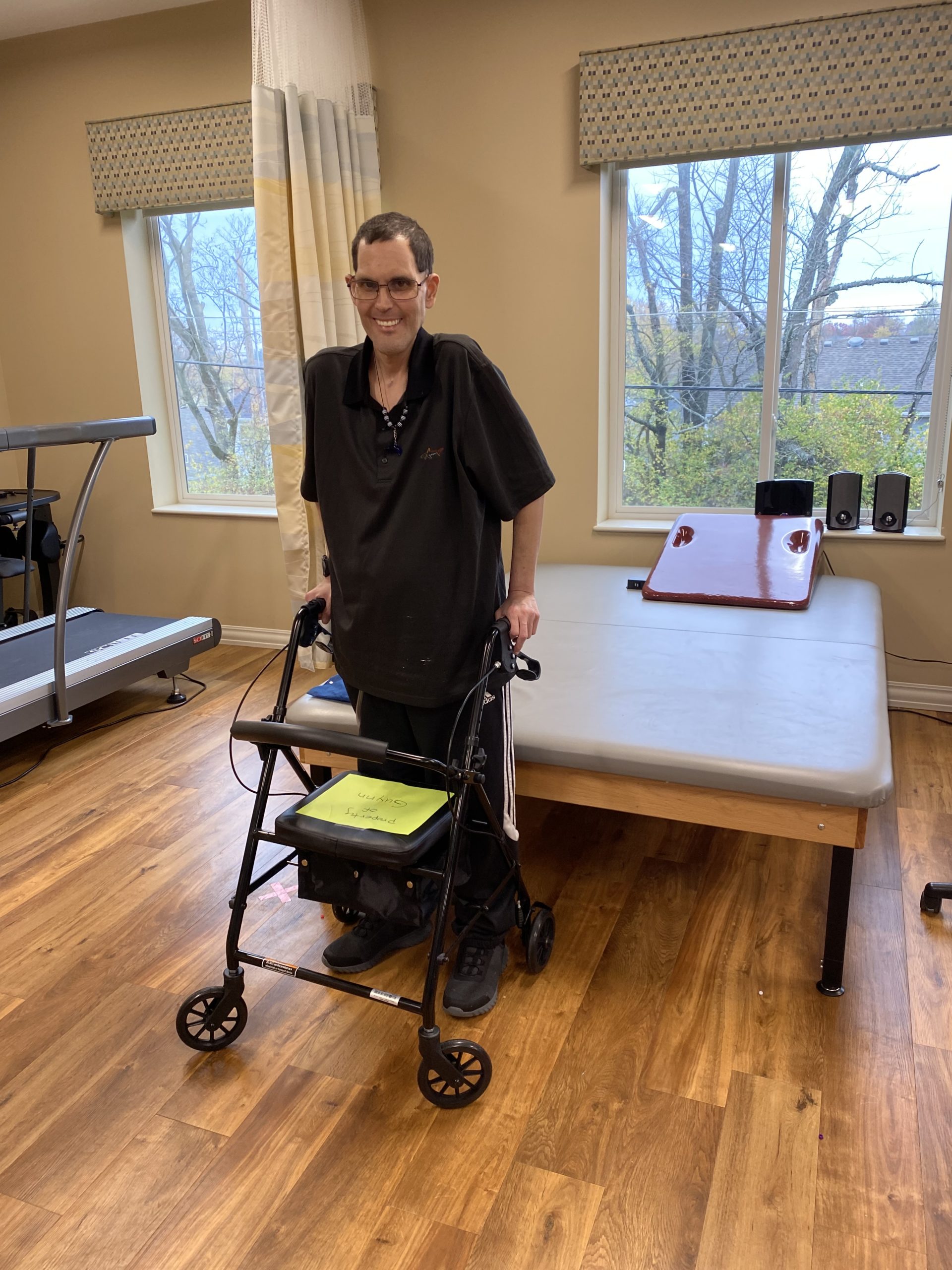
During the summer of 2022, Mr. Guynn had a lengthy 3 month hospital stay. He was then transferred to us here Nicholasville Nursing and Rehabilitation in October. Mr. Guynn was rather weak and unable to stand without assistance from more than one person. He had a lot of motivation, and worked very hard everyday. He is now walking with his rollator up to 600 feet! He has made the most progress that we have seen in a long time. Mr. Guynn is about to discharge home with his family. Way to go, sir! Mr. Guynn said “this is a great place to rehab. I have enjoyed the therapists and it shows how good I’m doing. If you ever need to, hope not, but come here when you can, if you have to.” Congratulations to Mr.Guynn and his Care Team on their success

Flu Season

November 4, 2022

What’s New for 2022-2023

A few things are different for the 2022-2023 influenza (flu) season, including:

  • The composition of flu vaccines has been updated.
  • For the 2022-2023 flu season, there are three flu vaccines that are preferentially recommended for people 65 years and older. These are Fluzone High-Dose Quadrivalent vaccineFlublok Quadrivalent recombinant flu vaccine and Fluad Quadrivalent adjuvanted flu vaccine.
  • The recommended timing of vaccination is similar to last season. For most people who need only one dose for the season, September and October are generally good times to get vaccinated. Vaccination in July and August is not recommended for most adults but can be considered for some groups. While ideally it’s recommended to get vaccinated by the end of October, it’s important to know that vaccination after October can still provide protection during the peak of flu season.
  • The age indication for the cell culture-based inactivated flu vaccine, Flucelvax Quadrivalent (ccIIV4), changed from 2 years and older to 6 months and older.
  • Pre-filled Afluria Quadrivalent flu shots for children are not expected to be available this season. However, children can receive this vaccine from a multidose vial at the recommended dose.

To learn more, please visit https://www.cdc.gov/flu/season/faq-flu-season-2022-2023.htm.

COVID-19 Testing: Types of Tests

October 4, 2022

Viral tests look for a current infection with SARS-CoV-2, the virus that causes COVID-19, by testing specimens from your nose or mouth. There are two main types of viral tests: nucleic acid amplification tests (NAATs) and antigen tests. In certain circumstances, one test type may be recommended over the other. All tests should be performed following FDA’s requirements.

  • NAATs, such as PCR-based tests, are most often performed in a laboratory. They are typically the most reliable tests for people with or without symptoms. These tests detect viral genetic material, which may stay in your body for up to 90 days after you test positive. Therefore, you should not use a NAAT if you have tested positive in the last 90 days.
  • Antigen tests* are rapid tests which produce results in 15-30 minutes. They are less reliable than NAATs, especially for people who do not have symptoms. A single, negative antigen test result does not rule out infection.  To best detect infection, a negative antigen test should be repeated at least 48 hours apart (known as serial testing). Sometimes a follow-up NAAT may be recommended to confirm an antigen test result.

*Self-tests, or at-home tests, are usually antigen tests that can be taken anywhere without having to go to a specific testing site. Follow FDA and manufacturer’s instructions, including for the number of times you may need to test. Multiple negative test results increase the confidence that you are not infected with the virus that causes COVID-19.

  • You can order free self-test kits at COVIDtests.gov or purchase tests online, in pharmacies, and retail stores.
  • You can also visit FDA’s website to see a list of authorized tests.
  • As noted in the labeling for authorized over-the-counter antigen tests: Negative results should be treated as presumptive (meaning that they are preliminary results). Negative results do not rule out SARS-CoV-2 infection and should not be used as the sole basis for treatment or patient management decisions, including infection control decisions. Please see FDA guidance on the use of at-home COVID-19 antigen tests.

To learn more, please visit https://www.cdc.gov/coronavirus/2019-ncov/symptoms-testing/testing.html#types-of-tests

Success Story: Patricia Morgan

October 3, 2022

Nicholasville Nursing and Rehabilitation is excited to share resident Patricia Morgan’s Success Story!

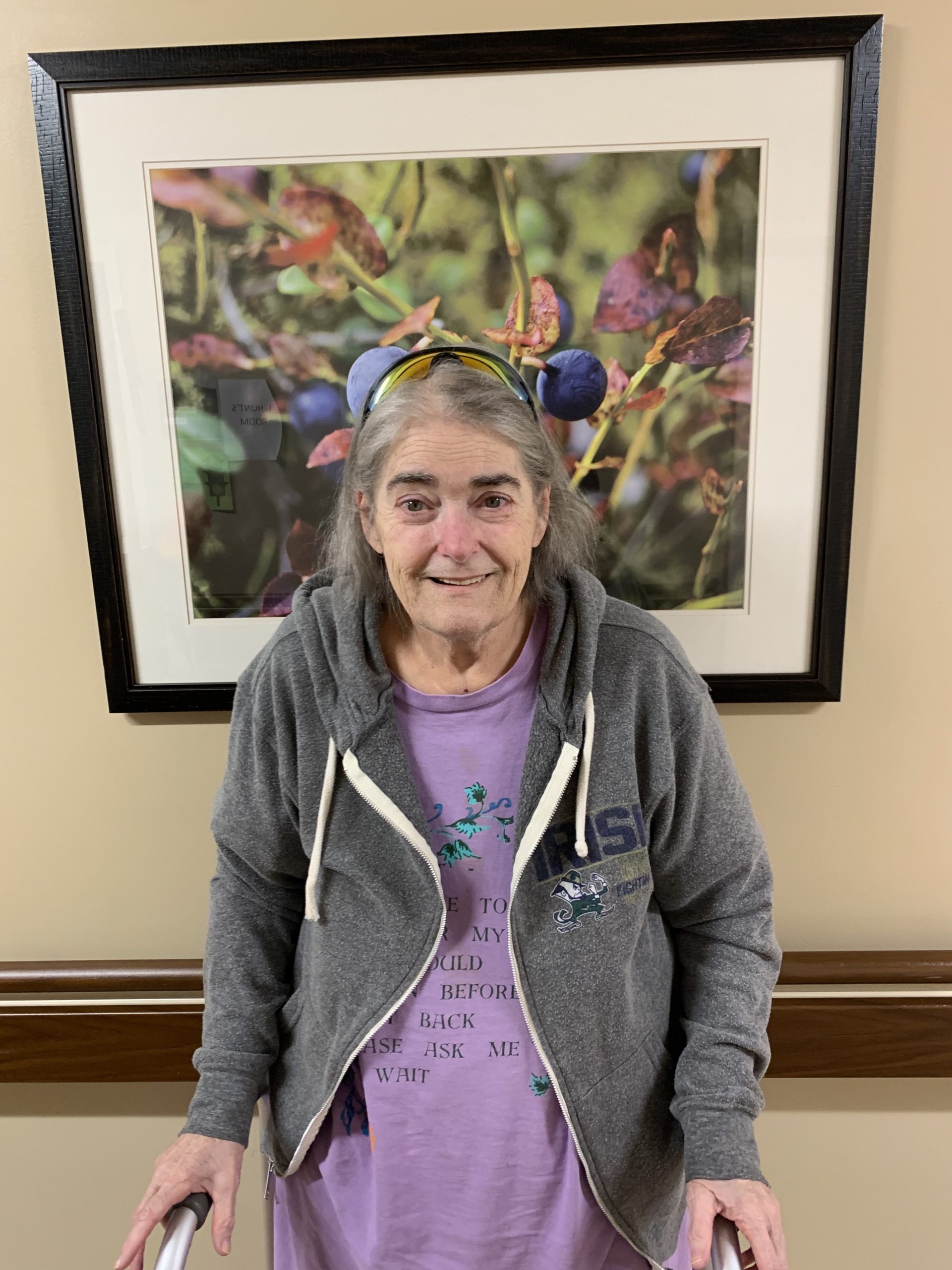
Mrs. Morgan was admitted to Nicholasville Nursing and Rehab on September 13th for therapy to address her new onset of deficits following a brief hospital stay. She was initially unable to stand by herself or complete simple activity of daily living tasks. Mrs. Morgan worked daily with Occupational and Physical Therapy to address her balance, endurance, strength and overall safety awareness with her goal in mind of returning home alone, as she desired. She was able to achieve her goal through her hard work and dedication and after 2 weeks of therapy, she was discharged home! Great job, Mrs. Morgan, keep up the good work!

What to Expect at Your Appointment to Get Vaccinated for COVID-19

September 26, 2022

Everyone 6 Months and Older Should Get a COVID-19 Vaccine

COVID-19 vaccination has many benefits and is an important tool to help protect you from severe illness, hospitalization, and death.

Even if you or your child have had COVID-19, you should still get yourself or your child vaccinated.

  • Getting a COVID-19 vaccine after having COVID-19 provides added protection against the virus that causes COVID-19.
  • People who already had COVID-19 and do not get vaccinated after their recovery are more likely to get COVID-19 again than those who get vaccinated after their recovery.
  • If you were given monoclonal antibodies or convalescent plasma while sick with COVID-19 you do not need to wait to get vaccinated.

Before the Vaccination

If you do not regularly take over-the-counter medications, you should not take them before you get a COVID-19 vaccination.

It is not known how over-the-counter (OTC) medicines, such as ibuprofen, aspirin, or acetaminophen, might affect how well the vaccine works. You may be able to take these types of medications to reduce fever or pain after you get your vaccine to relieve any pain or discomfort resulting from possible side effects.

Get a COVID-19 vaccine with your routine medical procedures and screenings

You can combine most procedures, screenings, and vaccinations at the same appointment when you get your COVID-19 vaccination. Talk to your healthcare provider if you have questions.

Children, teens, and adults may get a COVID-19 vaccine and other vaccines, including a flu vaccine, at the same time.

Preparing children and teens for vaccination

If you are getting your child or teen vaccinated learn how you can support them and talk to them about what to expect. The experience of getting a COVID-19 vaccine will be very similar to that of getting routine vaccines.

Requesting accommodations at COVID-19 vaccination sites

If you have allergies related to vaccines

Talk to your doctor if you:

  • have had a severe allergic reaction to a previous dose to learn if you should get a different type of COVID-19 vaccine,
  • are allergic to polyethylene glycol (PEG) and you should not get Pfizer-BioNTech or Moderna COVID-19 vaccine,
  • are allergic to polysorbate and you should not get Novavax or J&J/Janssen COVID-19 vaccine
  • if you are allergic to other types of vaccines or injectable medications for other diseases.
  • If you had an immediate allergic reaction (a reaction that started within 4 hours of getting vaccinated) to a COVID-19 vaccine, but the reaction was not considered severe by a medical professional, you can receive another dose of the same vaccine under certain conditions. Your doctor may refer you to an allergy and immunology specialist for more care or advice.
  • If you have had an immediate allergic reaction—even if it was not severe—to a vaccine or injectable therapy for another disease, you should discuss this with your doctor to determine which COVID-19 vaccine is best for you.

If you have allergies not related to vaccines

You should get vaccinated if you have allergies that are not related to vaccines or injectable medications such as food, pet, venom, environmental, or latex allergies. People with a history of allergies to medications taken by mouth or a family history of severe allergic reactions can also get vaccinated.

At the Vaccination Site

  • You should receive a paper or electronic version of a fact sheet that tells you more about the COVID-19 vaccine you or your child received. Each approved and authorized COVID-19 vaccine has its own fact sheet that contains information to help you understand the risks and benefits of that vaccine.
  • There is no charge for your COVID-19 vaccine. Your COVID-19 vaccine is free. COVID-19 vaccines are paid for with taxpayer dollars and are given free of charge to all people living in the United States, regardless of health insurance or immigration status. If anyone asks you to pay for a COVID-19 vaccine, it’s a scam.

After Getting a COVID-19 Vaccine

  • Stay on site to be monitored for at least 15 minutes.
  • Make sure your vaccination provider updates your vaccination card (or gives you one if this is your first dose).
  • Stay up to date with the recommended COVID-19 vaccines and boosters.
  • You may experience side effects after getting a COVID-19 vaccine.
  • Adverse effects (serious safety problems) and severe allergic reactions are rare.
  • To report any side effects, you can sign up for v-safe. V-safe is a smartphone-based tool that provides quick and confidential health check-ins via text messages and web surveys so you can quickly and easily share with CDC how you or your dependent feel after getting a COVID-19 vaccine.

Watch Video: Use v-safe to tell CDC how you’re feeling after COVID-19 vaccination [00:00:34]

Your CDC COVID-19 Vaccination Card

Keep your CDC COVID-19 vaccination card for proof of vaccination. Consider taking a picture of your card after each of your COVID-19 vaccination appointments as a backup copy.

  • Bring your card to your appointment whenever you get a primary series dose or booster so that your provider can fill in information about your shot.
  • If your vaccine card is full, your vaccine provider can give you another card.
  • If you did not receive a CDC COVID-19 vaccination card at your first appointment, contact the vaccination provider site where you got your first shot to find out how you can get a vaccination card. You can also contact your state health department to get a copy of your vaccination record.
  • Some vaccination providers and health departments may offer you access to a QR code or digital copy of your COVID-19 vaccination card in addition to giving you a physical CDC COVID-19 vaccination card. Contact your vaccination provider or local health department to learn if a digital copy of your card is available to you.
  • If you were vaccinated abroad there are ways you can update your U.S. vaccination record.
  • To report suspicious activity involving fake CDC COVID-19 vaccination cards, please visit Fraud Alert: COVID-19 Scams or call 1-800-HHS-TIPS.

To learn more, please visit https://www.cdc.gov/coronavirus/2019-ncov/vaccines/expect.html.

Pre-Exposure Prophylaxis with Evusheld

September 16, 2022

What You Need To Know

  • In addition to following the recommended COVID-19 vaccination schedule, tixagevimab/cilgavimab (Evusheld), a combination of two monoclonal antibodies, should be administered to people who are moderately or severely immunocompromised every 6 months for pre-exposure prophylaxis to supplement vaccine protection. Per the product EUA, Evusheld can be given at least 2 weeks after COVID-19 vaccine. People may initiate Evusheld at any time after this interval, including between doses in the primary series and between any primary and booster doses.
  • This medication can provide protection for those not expected to mount an adequate immune response following vaccination, including those who are immunocompromised due to a medical condition or immunosuppressive medication, or for those individuals for whom COVID-19 vaccination is not recommended due to a history of severe adverse reaction to COVID-19 vaccination.
  • Evusheld is administered by intramuscular injection by a healthcare provider at an office or healthcare facility.
  • Current locations of EVUSHELD distribution can be found here.

The current treatment guidelines [5.4 MB, 456 pages] on the use of Evusheld as pre-exposure prophylaxis:

  • Tixagevimab 300 mg plus cilgavimab 300 mg (Evusheld) administered as two 3-mL intramuscular (IM) injections for adults and adolescents (aged ≥12 years and weighing ≥40 kg) who do not have SARS-CoV-2 infection, who have not been recently exposed to an individual with SARS-CoV-2 infection AND who:
    • Are moderately to severely immunocompromised or
    • Are not able to be fully vaccinated with any available COVID-19 vaccines due to history of severe adverse reactions
  • Tixagevimab plus cilgavimab should be repeated every 6 months.
  • Individuals who received tixagevimab 150 mg plus cilgavimab 150 mg should be given a second dose as soon as possible.
    • If the initial dose was administered ≤3 months prior, the second dose should be tixagevimab 150 mg plus cilgavimab 150 mg.
    • If the initial dose was administered >3 months prior, the second dose should be tixagevimab 300 mg plus cilgavimab 300 mg.
  • Individuals should be clinically monitored after injections and observed for at least 1 hour.
  • Evusheld is contraindicated in individuals with previous severe hypersensitivity reactions, including anaphylaxis, to Evusheld.
  • There is not currently sufficient evidence to recommend either for or against the use of SARS-CoV-2 serologic testing to assess for immunity or guide clinical decisions about using Evusheld for pre-exposure prophylaxis. For more information, see NIH’s COVID-19 Treatment Guidelines.

Evusheld and timing with COVID-19 vaccination

  • Evusheld may be given at least 2 weeks after any COVID-19 vaccine.
  • After this interval, Evusheld may be initiated at any time between primary series and booster doses.
  • COVID-19 vaccines may be administered at any time after Evusheld administration.
  • Use of monoclonal antibodies is not a substitute for COVID-19 vaccination.

To learn more, please visit https://www.cdc.gov/coronavirus/2019-ncov/hcp/clinical-care/pre-exposure-prophylaxis.html.